

Skip to Content
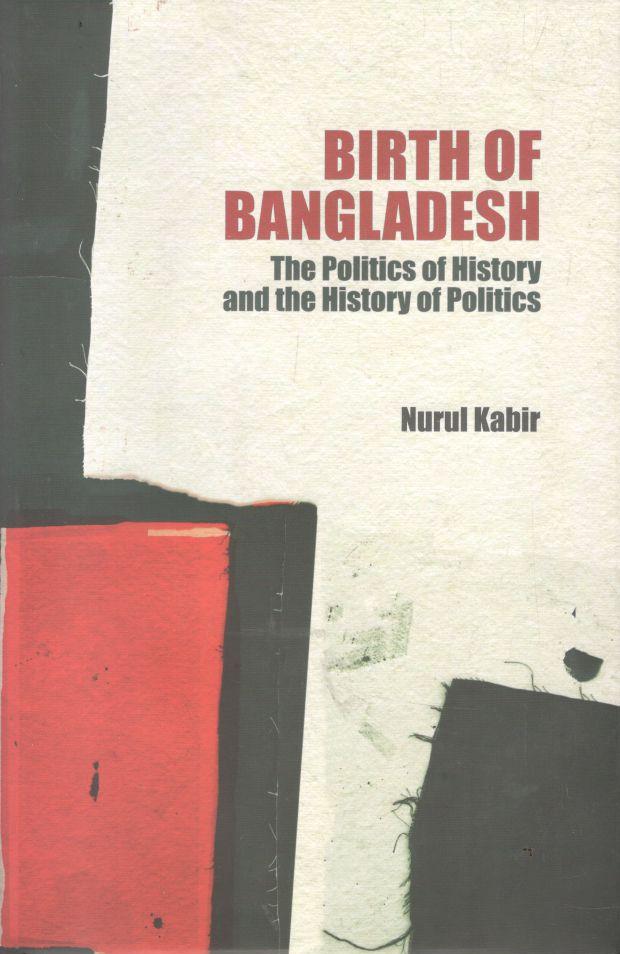
Birth of Bangladesh : The Politics of History And The History of Politics

Price:

2,400.00 ৳


Birju Maharaj : The Master Through My Eyes
1,791.00 ৳
1,990.00 ৳ (10% OFF)
Black Milk : On Motherhood and Writing
900.00 ৳
1,000.00 ৳ (10% OFF)
20% OFF

Birth of Bangladesh : The Politics of History And The History of Politics

“If it is logical that the sections of a people rendering greater sacrifices for liberating a country will have higher claims on the independent country and its material resources, the poorer classes of the people, particularly the peasantry and the urban poor, have the highest claims on the resources of Bangladesh. The reason is simple: by all evidences, youths coming from the country’s peasantry and its urban poor constituted the largest part of the Mukti Bahini—the body of the freedom fighters that successfully fought the country’s liberation war. […] Bangladesh awaits the completion of the genesis of its struggle for independence by dismantling the autocratic state erected by the anti-poor rich, and creating on its debris an egalitarian ‘people’s republic’ for actualisation of ‘equality, social justice and human dignity’ for all its citizens, not only those of its poorer classes, and, thus, settling gloriously the claim of its history. […] The dream of a politically democratic state with an egalitarian socio-economic order that motivated thousands of youths to take up arms, and inspired millions of people to endure the ordeal of a war, to liberate the country does not appear to be dead. The dream, a little subdued in the face of autocratic political and economic governance by the rich ruling classes of the country, often flashes across society in times of crisis, clearly indicating that a resurgence of the submerged consciousness of the revolutionary past is possible.”
See More
https://pathakshamabesh.com/web/image/product.template/4884/image_1920?unique=d908812

2,400.00 ৳ 2400.0 BDT 3,000.00 ৳

Not Available For Sale

(20% OFF)

This combination does not exist.

“If it is logical that the sections of a people rendering greater sacrifices for liberating a country will have higher claims on the independent country and its material resources, the poorer classes of the people, particularly the peasantry and the urban poor, have the highest claims on the resources of Bangladesh. The reason is simple: by all evidences, youths coming from the country’s peasantry and its urban poor constituted the largest part of the Mukti Bahini—the body of the freedom fighters that successfully fought the country’s liberation war. […] Bangladesh awaits the completion of the genesis of its struggle for independence by dismantling the autocratic state erected by the anti-poor rich, and creating on its debris an egalitarian ‘people’s republic’ for actualisation of ‘equality, social justice and human dignity’ for all its citizens, not only those of its poorer classes, and, thus, settling gloriously the claim of its history. […] The dream of a politically democratic state with an egalitarian socio-economic order that motivated thousands of youths to take up arms, and inspired millions of people to endure the ordeal of a war, to liberate the country does not appear to be dead. The dream, a little subdued in the face of autocratic political and economic governance by the rich ruling classes of the country, often flashes across society in times of crisis, clearly indicating that a resurgence of the submerged consciousness of the revolutionary past is possible.”

Nurul Kabir

নূরুল কবীর একজন বাংলাদেশী সাংবাদিক, লেখক, কলাম লেখক, সম্পাদক এবং সংবাদকর্মী। তিনি ইংরেজি দৈনিক দ্য নিউ এজের সম্পাদক। নৈর্বাচনিক স্বৈরতন্ত্র ও গণতন্ত্রের সংগ্রাম এবং দ্য রেড মাওলানা তার দুটি আলোচিত বই। নূরুল কবীর ঢাকা বিশ্ববিদ্যালয়ে তার ছাত্র জীবনের সময়, বামপন্থী ছাত্র নেতা এবং কর্মী ছিলেন, যিনি ১৯৮৩ সালে স্টুডেন্ট কমিটি অব অ্যাকশন ফর ডেমোক্রেসি গঠনে সক্রিয় ভূমিকা পালন করেছিলেন; যে কমিটি আশির দশকে সামরিক শাসনের বিরুদ্ধে লড়াইয়ে একটি নিষ্পত্তিমূলক ভূমিকা পালন করে। নূরুল কবীর দ্য নিউ এজের সম্পাদক, যেটি বাংলাদেশের সবচেয়ে খোলামেলা নিরপেক্ষ প্রতিবেদনের সংবাদপত্রের মধ্যে একটি। নূরুল কবীর তার সম্পাদকীয় নীতির জন্য অত্যন্ত সম্মানিত। তিনি সাপ্তাহিক বুধবারের সম্পাদক ছিলেন। তিনি তার সরাসরি সাংবাদিকতা এবং সাহসী রাজনৈতিক মতামতের জন্য পরিচিত। এছাড়া কবি ও লেখক হিসেবে তিনি একাধিক বই লিখেছেন, দেশে এবং বিদেশে অসংখ্য রচনা প্রকাশ করেছেন এবং আঞ্চলিক, জাতীয় ও আন্তর্জাতিক সম্মেলনগুলিতে অনেক বক্তব্য পেশ করেছেন।

Title

Birth of Bangladesh : The Politics of History And The History of Politics

Author

Nurul Kabir

Publisher

Samhati Prokashan

Language

English (US)

Category

  • Genocide
  • Delivery Charge (Based on Location & Book Weight)

     Inside Dhaka City: Starts from Tk. 70 (Based on book weight)

     Outside Dhaka (Anywhere in Bangladesh): Starts from Tk. 150 (Weight-wise calculation applies)

     International Delivery: Charges vary by country and book weight — will be informed after order confirmation.

     3 Days Happy ReturnChange of mind is not applicable

     Multiple Payment Methods

    Credit/Debit Card, bKash, Rocket, Nagad, and Cash on Delivery also available. 

    “If it is logical that the sections of a people rendering greater sacrifices for liberating a country will have higher claims on the independent country and its material resources, the poorer classes of the people, particularly the peasantry and the urban poor, have the highest claims on the resources of Bangladesh. The reason is simple: by all evidences, youths coming from the country’s peasantry and its urban poor constituted the largest part of the Mukti Bahini—the body of the freedom fighters that successfully fought the country’s liberation war. […] Bangladesh awaits the completion of the genesis of its struggle for independence by dismantling the autocratic state erected by the anti-poor rich, and creating on its debris an egalitarian ‘people’s republic’ for actualisation of ‘equality, social justice and human dignity’ for all its citizens, not only those of its poorer classes, and, thus, settling gloriously the claim of its history. […] The dream of a politically democratic state with an egalitarian socio-economic order that motivated thousands of youths to take up arms, and inspired millions of people to endure the ordeal of a war, to liberate the country does not appear to be dead. The dream, a little subdued in the face of autocratic political and economic governance by the rich ruling classes of the country, often flashes across society in times of crisis, clearly indicating that a resurgence of the submerged consciousness of the revolutionary past is possible.”
    No Specifications